 Ferme du Lac
Fresh Line
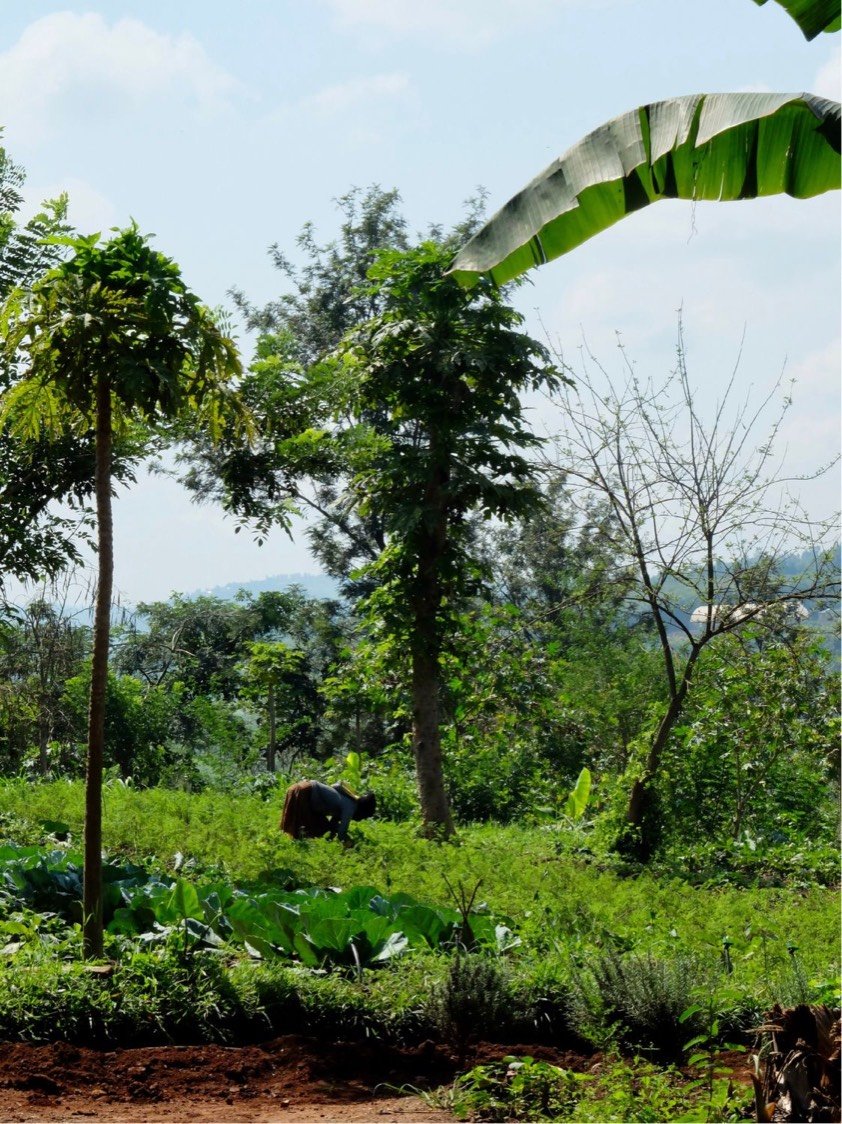
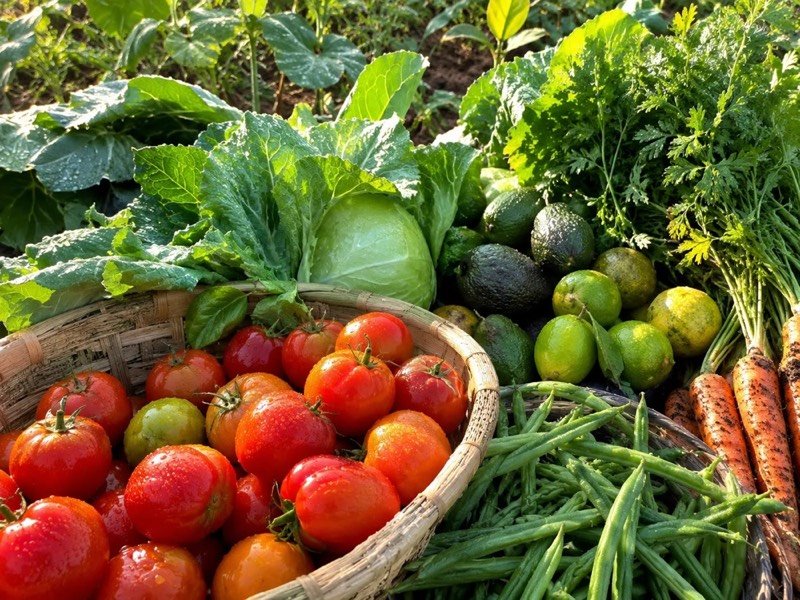
01Tomatoes, leafy greens and fruit picked that very morning, dew still on the leaves.
Same-day
 VegetablesFruits
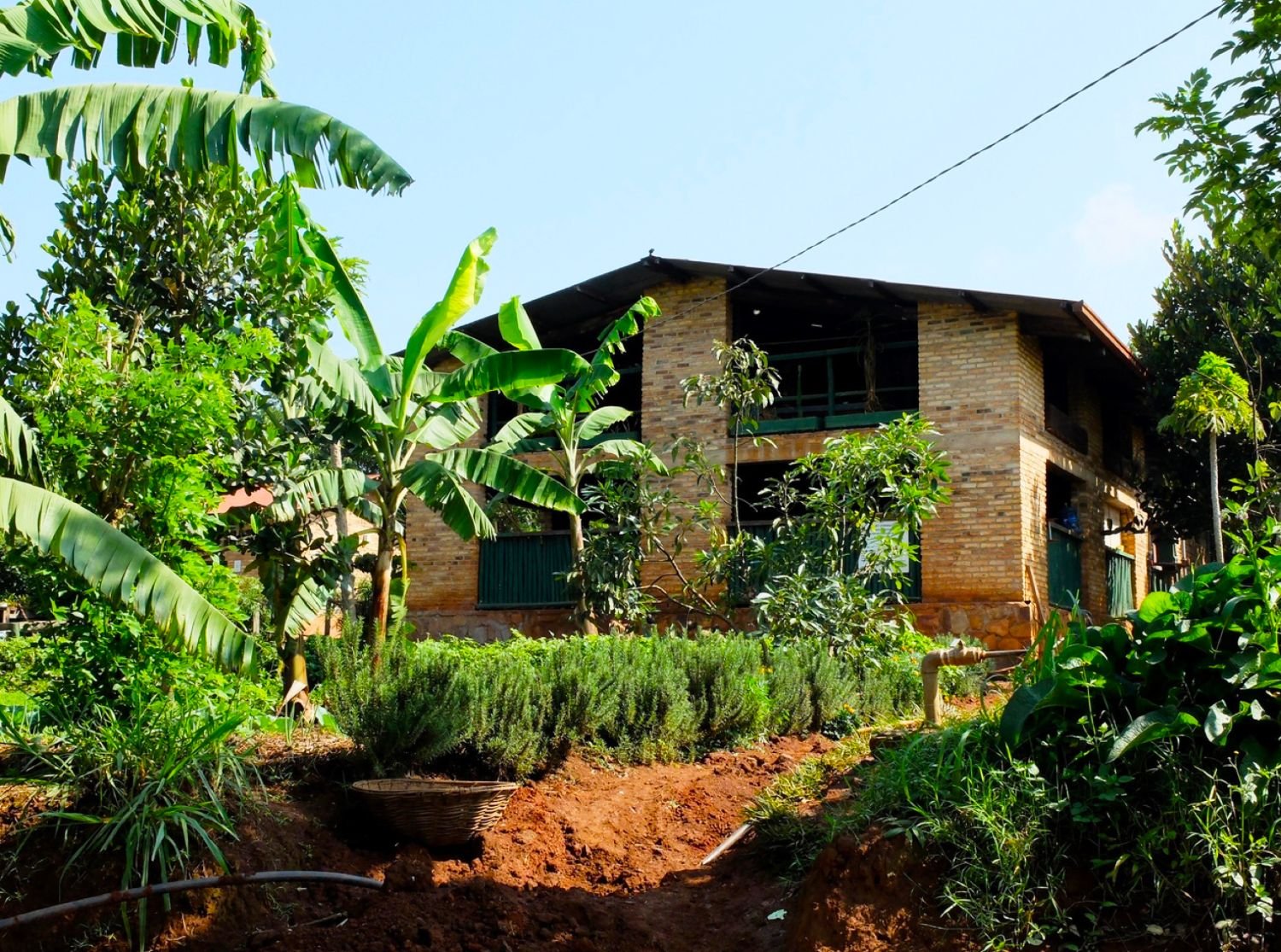
A farm that teaches · trains · gathers
On the shores of Lake Mugesera, we grow living soils and share knowledge, season after season.
Turi ku butaka, twubaka ejo hazaza.
✦ Rurenge, Eastern Province, Rwanda · Tuesday – Saturday · 8:00 – 16:00
Knowledge passes from hand to hand
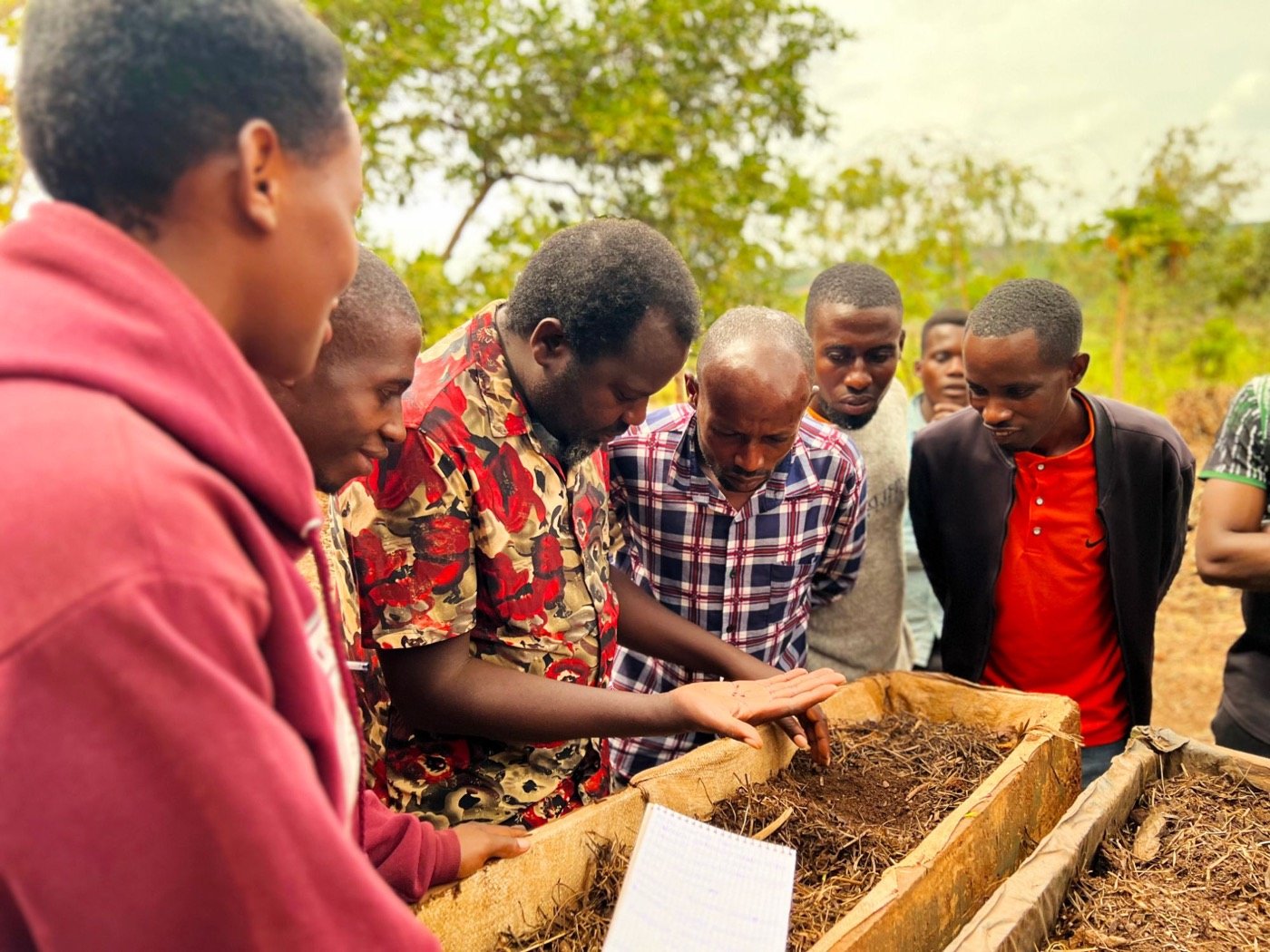
Hands-on training, in French, English and Kinyarwanda, open to the families and youth of Rurenge.
Book a spot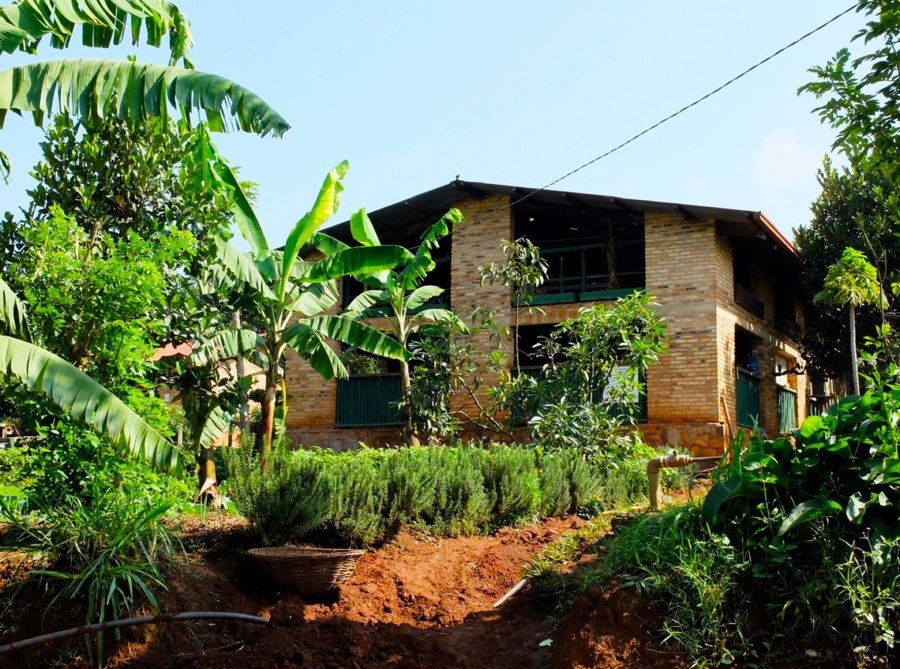
Come and see for yourself
The farm is open to visits — fields, compost, workshops. We welcome you; you leave with ideas and often a few tomatoes.
Visit the farmThree core commitments
La Ferme du Lac is a living demo centre where local farmers, young people and rural families come to learn and grow in independence together.
Our soils are alive — composted, covered, loved. What the land gives us, we give back to it.
What we grow here feeds today. What we teach here feeds forever.
Rural families, self-reliant and proud of their land. It is a strength, never charity.
Food security begins in the hands of rural families themselves.
OUR PRODUCTS · NOS PRODUITS
Mangoes harvested at peak ripeness, processed the same day. The taste of the Eastern Province in every spoonful.
Tomatoes, leafy greens and fruit picked that very morning, dew still on the leaves.
VegetablesFruitsThe lake line — in the making. It will carry Rurenge's water as the others carry its soil.
TRAINING · FORMATION
Hands-on training, in French, English and Kinyarwanda, open to the families and youth of Rurenge.
Amahugurwa afatika, afungurira imiryango n'urubyiruko.
Book a spot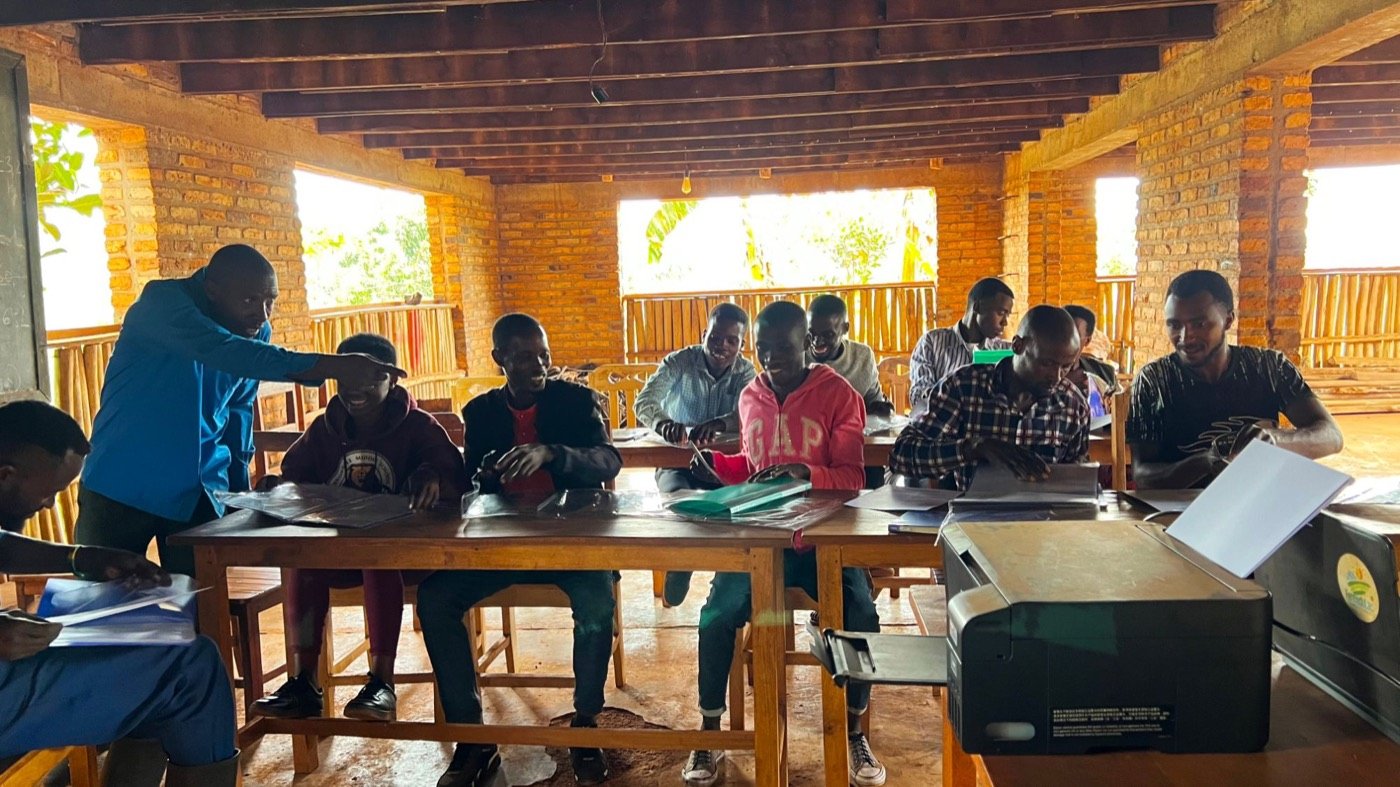
Every plot on the farm tells a method: agroforestry that protects the soil, composting that regenerates the earth.
A year of compost turned by hand, hens changing hands and walls painted white. Here is what happened at the farm, and a little beyond it.
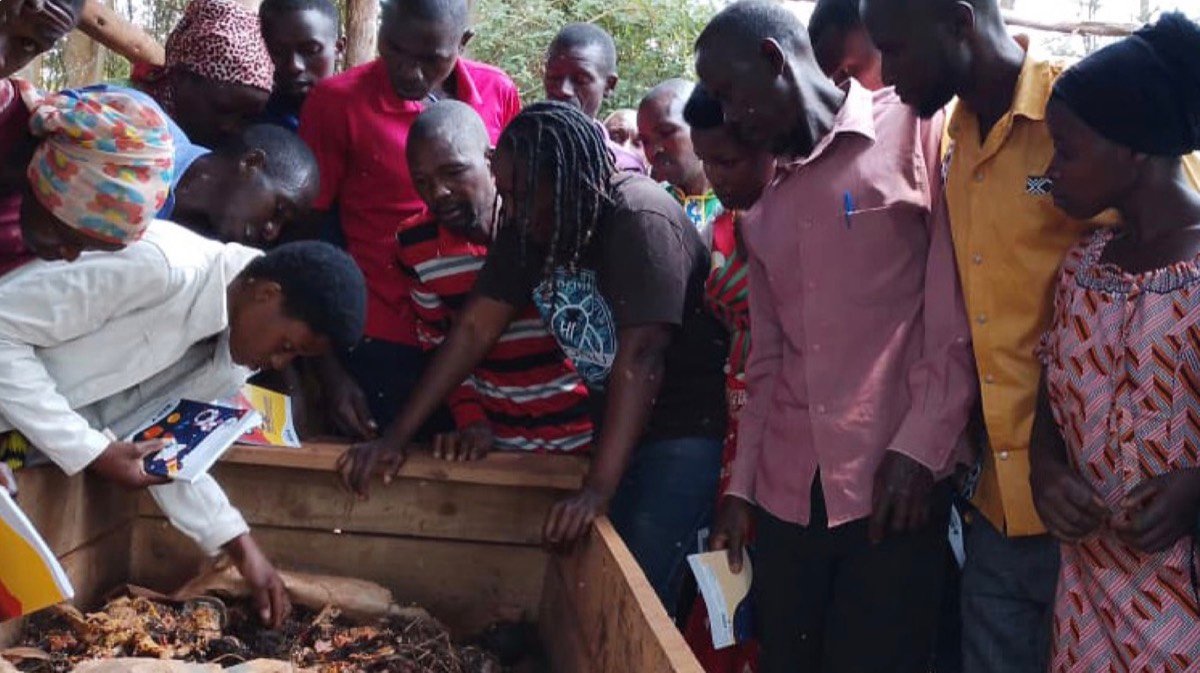
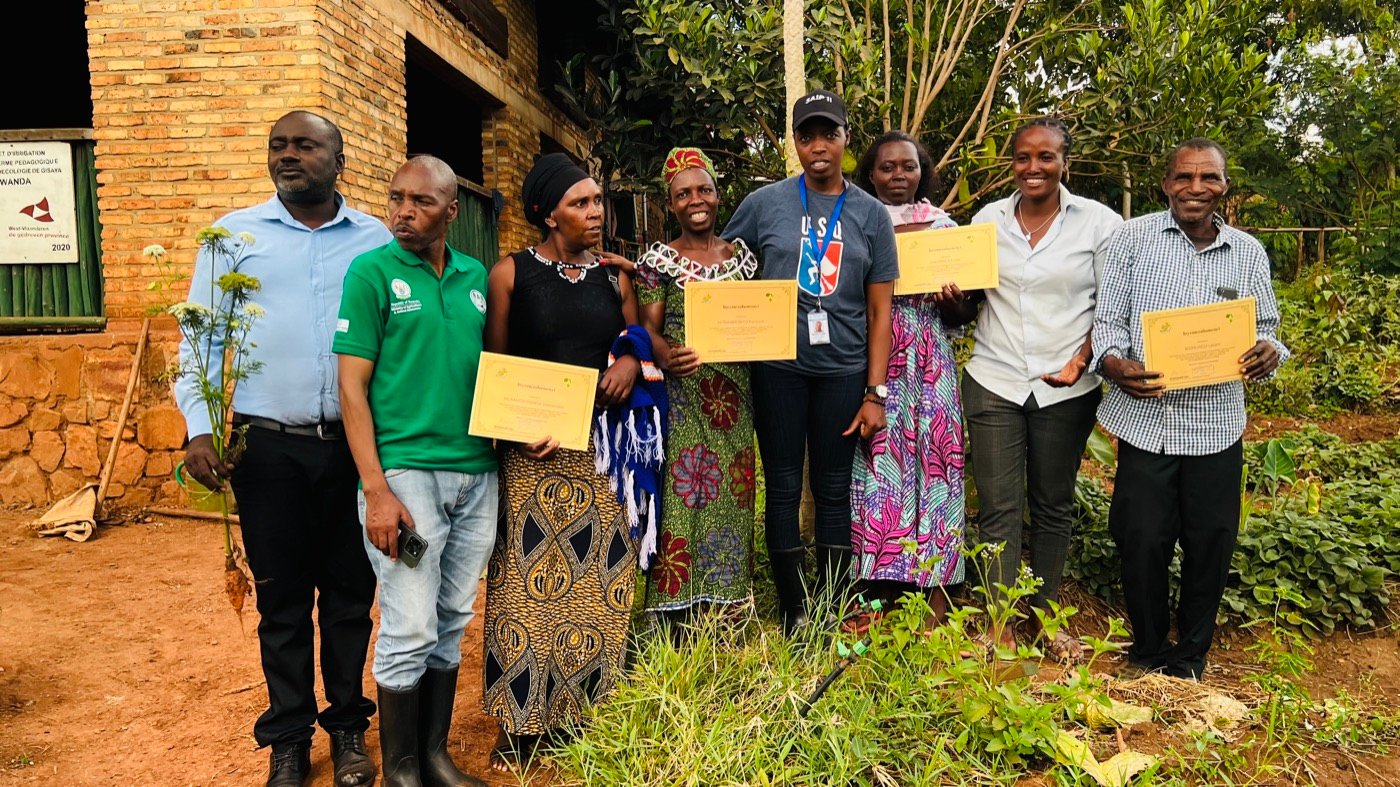
Every week they came from Rurenge and Karembo to learn together: feeding the soil with compost, mixing crops, getting their harvest recognised for its quality. Twenty-six women and twenty-four men, most of them under thirty. In four months, we counted two absences. Afterwards we visited them at home, on their own plots. They went back with 500 fruit trees and ten pigs to raise, and the farm has now trained 150 farmers in two years.
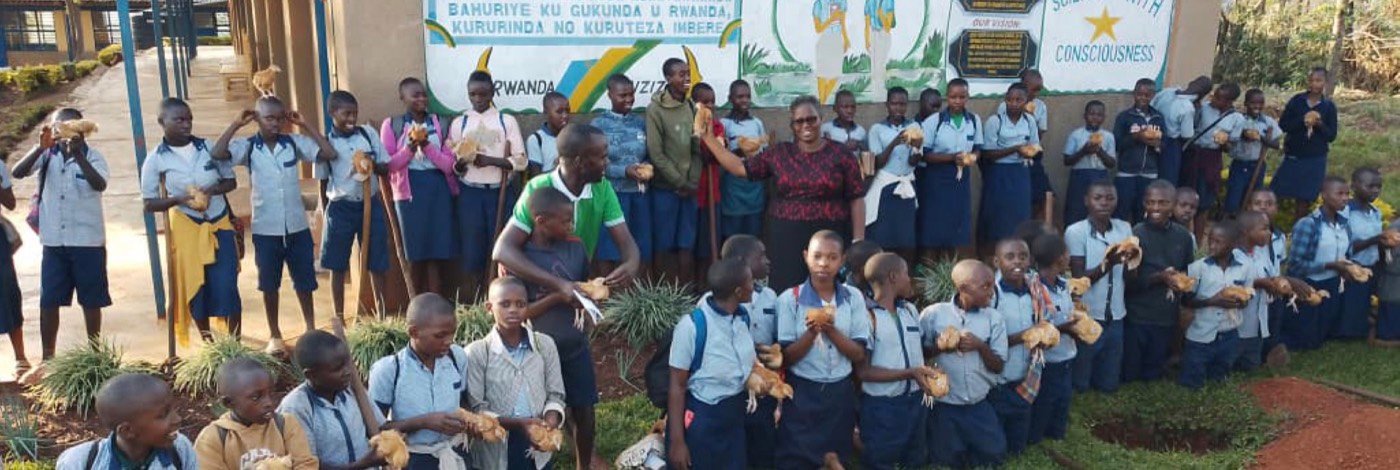
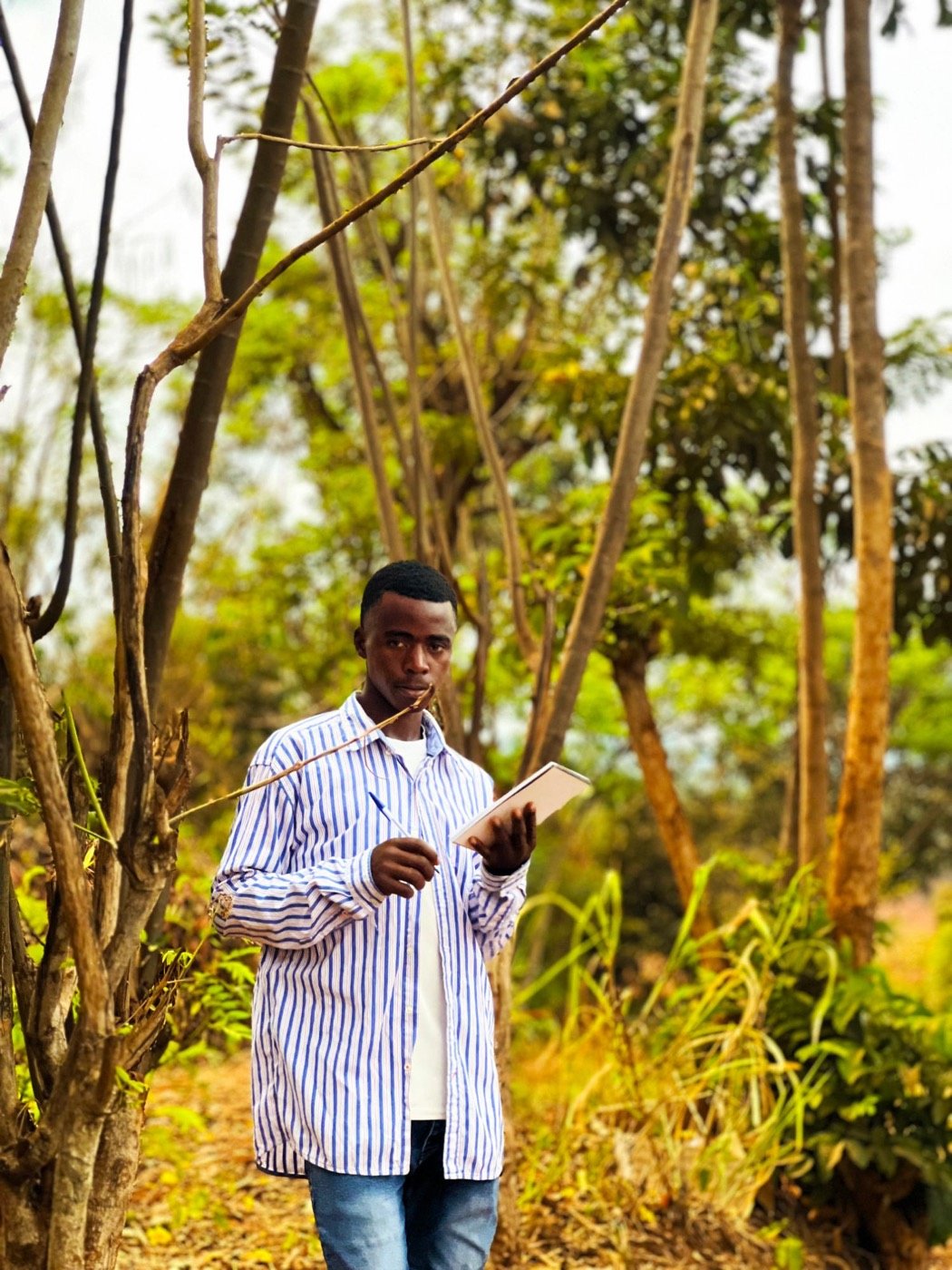
Just down the road, 60 pupils aged 7 to 18 joined their school’s agroecology club. Once a week a trainer from the farm meets them with their teachers: they talk about soil, helpful insects and what ends up on their plates, then head out to the garden. Half a hectare was laid out at the school and 40 trees were planted. Every pupil went home with a tree and a hen, and the garden is starting to feed the canteen.
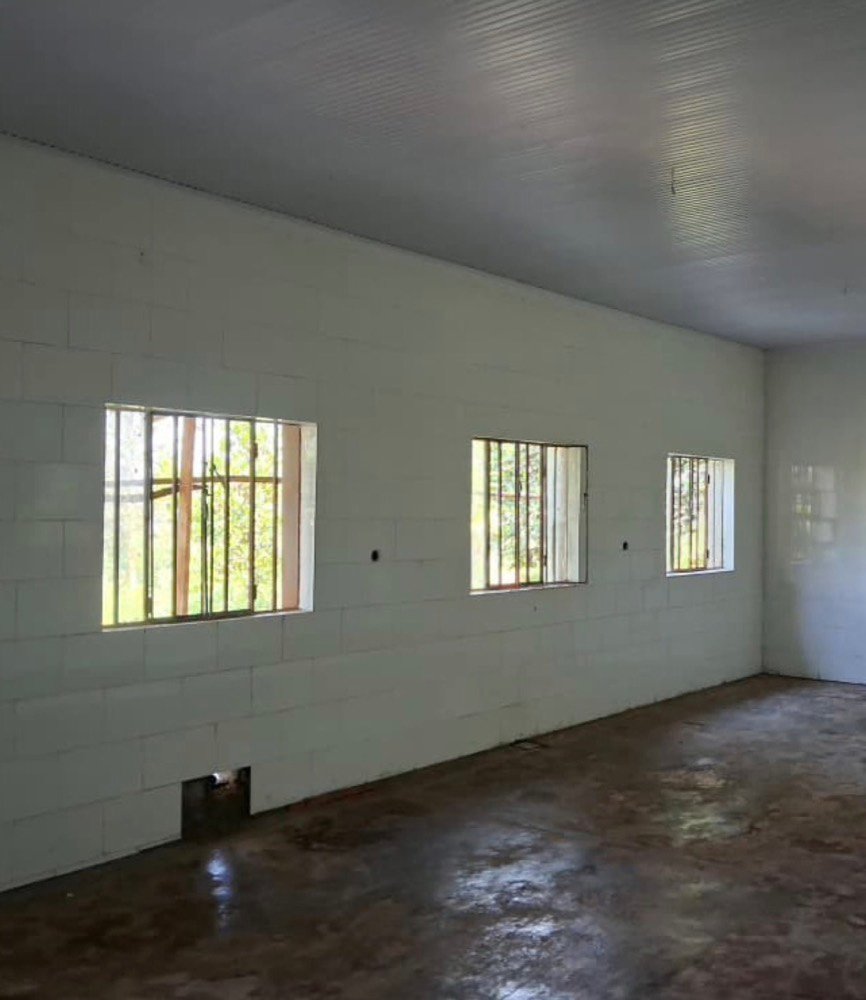
The farm had an old building that served as a storeroom. It is becoming our processing workshop, where the farm’s fruit and maize will turn into jams, juices and flour. Tiles, ceiling, water, electricity: the work moved forward one room at a time. A food standards specialist came by, and we followed the advice, adding insect screens to the windows and better ventilation. It took a little longer, but the workshop will meet the standards.
And this is only the first year: the programme runs until 2027.
Good to know
Everything you need to know before visiting the farm or joining a training.
The farm is in Rurenge, in the Ngoma sector of the Eastern Province of Rwanda, on the shores of Lake Mugesera.
The farm can be visited Tuesday to Saturday, 8:00 to 16:00: fields, compost and workshops. Write to us through the form or at bonjour@lafermedulac.rw to plan your visit.
Three hands-on courses: Compost & Living Soils (2 days, on the farm), Family Market Gardening (4 days, on the farm) and Artisanal Processing (3 days, workshop). They are taught in French, English and Kinyarwanda.
The training is open to the families and young people of Rurenge. Tell us which course interests you in the contact form.
Four ranges: the Fresh line (vegetables and fruit picked that very morning), the Artisanal line (jams, sauces and juices in small batches), grains and cereals (maize and beans, sun-dried) and, soon, a Water & Hydration line.
Yes. We grow without pesticides: our soils are alive, composted and cared for, and agroforestry and sustainable soil management are our way of being.
We welcome visitors and trainees in French, English and Kinyarwanda.
The farm is open to visits — fields, compost, workshops. We welcome you; you leave with ideas and often a few tomatoes.
Murakoze !
Your message is on its way. We'll reply before the next harvest — promise.